
Call us now :08045800011
 Send Inquiry
 Send Inquiry
Mechanical Reactor Seals
Price 4200 INR/ Piece
MOQ : 1 , , Piece
Mechanical Reactor Seals Specification
- Tolerance
- 0.01 mm
- Material
- SS316, Carbon, Silicon Carbide, Ceramic, PTFE, Alloy 20
- Style
- Cartridge, Double, Single, Balanced/Unbalanced
- Shape
- Round (Standard Reactor Seal Configuration)
- Application
- Chemical reactors, pharmaceuticals, petrochemicals, and agitators
- Face Combination
- Carbon vs Silicon Carbide/ Ceramic vs Silicon Carbide/ Tungsten Carbide vs Silicon Carbide
- Installation
- Easy to mount and dismantle, field repairable
- Speed
- Up to 3000 RPM
- Pressure Range
- Vacuum up to 25 bar (Depending on Model)
- Design Type
- Gland Fitted, Cartridge Type, Split Type
- Leakage Rate
- Less than 0.1ml/hr (under test conditions)
- Shaft Size Range
- 25 mm to 150 mm
- Elastomer Options
- Viton, EPDM, PTFE, Kalrez
Mechanical Reactor Seals Trade Information
- Minimum Order Quantity
- 1 , , Piece
- Supply Ability
- 100 Pieces Per Month
- Delivery Time
- 2-5 Days
About Mechanical Reactor Seals
Our firm is counted amidst the reliable manufacturers and suppliers of a broad assortment of Reactor Seals, which is used as a secondary sealing element. These seals are manufactured with high precision in our high-end production facility using high grade raw materials. The offered mechanical shaft seal is highly treasured for its features like durable finish standards, strong construction, impact resistance, abrasion resistance and compact design. Available in various specifications, we can also customize these Reactor Seals as per the information provided by the clients.
Robust Design and Material Selection
Our mechanical reactor seals are constructed with high-quality materials including SS316, Alloy 20, carbon, silicon carbide, ceramic, and PTFE. These selections provide excellent resistance to abrasion and corrosion, making them suitable for aggressive process media. Advanced elastomer options such as Viton, EPDM, and Kalrez further widen operating compatibility, ensuring long-lasting seal performance across a range of industrial environments.
Versatile Applications and Compatibility
Designed for use in chemical reactors, pharmaceuticals, petrochemicals, and industrial agitators, these mechanical reactor seals are ideal for a wide variety of process applications. With a pressure range from vacuum up to 25 bar and supporting shaft sizes from 25 mm to 150 mm, they seamlessly fit new installations or retrofit projects for manufacturers, suppliers, and distributors throughout India.
Easy Installation and Maintenance
Our reactor seals are available in cartridge, gland fitted, and split design types for straightforward mounting and dismantling. Their field repairable configuration minimizes downtime by enabling quick repairs without extensive disassembly. The precise manufacturing tolerance of 0.01 mm and low leakage rate help maintain clean and safe operating conditions, supporting continuous and efficient plant operations.
FAQs of Mechanical Reactor Seals:
Q: How are mechanical reactor seals installed in chemical reactors?
A: Mechanical reactor seals are designed for easy installation, especially in cartridge, gland fitted, or split types. Simply align the seal with the shaft and secure it as per the provided instructions. Their easy-to-mount and dismantle construction also allows for quick removal and minimal disruption during field maintenance or repairs.Q: What benefits do different face combinations offer in these reactor seals?
A: Different seal face combinations such as Carbon vs Silicon Carbide, Ceramic vs Silicon Carbide, and Tungsten Carbide vs Silicon Carbide provide resistance to wear and chemical attack, helping to extend seal life and maintain reliable performance even under abrasive or corrosive process conditions.Q: When should I choose a cartridge type reactor seal over other designs?
A: Cartridge type reactor seals are preferred when you require quick installation, precise alignment, and reduced risk of installation errors. This design is ideal for applications where maintenance time is limited and consistent sealing performance is critical.Q: Where can these mechanical reactor seals be applied?
A: These seals are widely used across chemical reactors, pharmaceuticals, petrochemicals, and industrial agitators. Their robust construction and extensive material compatibility ensure they perform reliably in varied industrial process environments in India.Q: What is the typical leakage rate for these reactor seals?
A: Under test conditions, these mechanical reactor seals offer a leakage rate of less than 0.1 ml/hr. This low leakage ensures containment of process fluids, promoting operational safety and regulatory compliance.Q: How field-repairable are these seals and what maintenance process is involved?
A: Our mechanical reactor seals are designed to be field repairable, allowing worn components to be replaced without returning the entire assembly to the manufacturer. The process typically involves unmounting the seal, replacing the necessary parts, and remountingwhile ensuring precise placement to maintain the tolerance of 0.01 mm.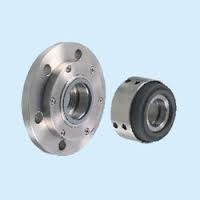
Tell us about your requirement

Price:
Quantity
Select Unit
- 50
- 100
- 200
- 250
- 500
- 1000+
Additional detail
Mobile number
Email

More Products in Mechanical Shaft Seals Category
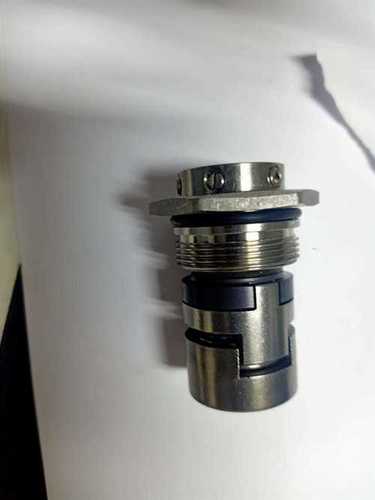
Grundfos Pump Seal
Price 1000 INR / Piece
Minimum Order Quantity : 10 Pieces
Style : Mechanical Seal
Application : Grundfos Pump, Industrial, Chemical, Water Treatment
Material : Carbon, Ceramic, Nitrile Rubber, Stainless Steel
Shape : Round
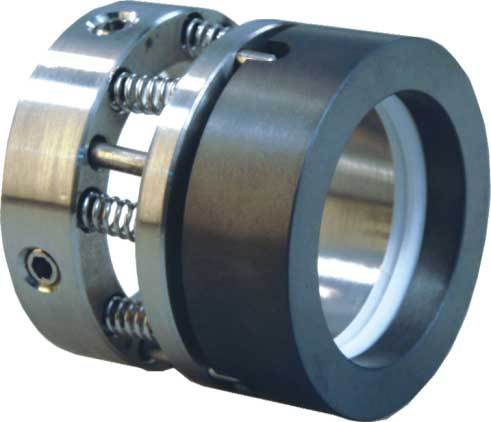
Multi Spring Seal
Price 3500 INR / Piece
Minimum Order Quantity : 10 Pieces
Style : Mechanical Seal
Application : Pumps, Compressors, Mixers, Agitators
Material : SS304, SS316, Carbon, Ceramic, Silicon, Viton, PTFE
Shape : Round
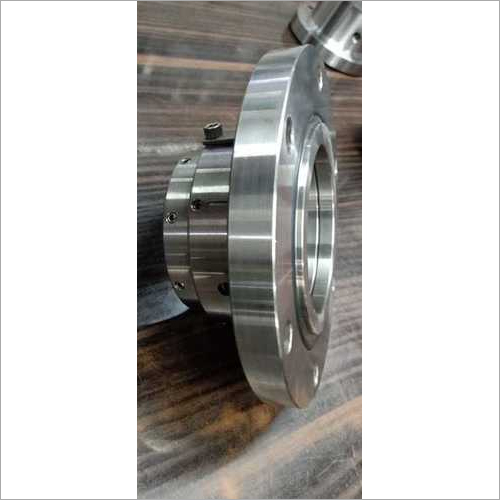
DRY CARTRIDGE SEAL
Price 17000 INR / Piece
Minimum Order Quantity : 10 Pieces
Style : Other, Cartridge
Application : Pumps, Mixers, Agitators
Material : Carbon, Silicon Carbide, SS316, EPDM, Viton
Shape : Round

Mechanical Metal Bellow Seals
Price 18000 INR / Pack
Minimum Order Quantity : 10 Packs
Style : Other, Mechanical
Application : Industrial Pumps, Chemical Processing, Petrochemical Industry
Material : Stainless Steel, Carbon, Silicon, Rubber
Shape : Round

 Send Inquiry

G-112, Karishma Industrial Estate, Dhumal Nagar, Vasai (E),Vasai - 401208, Maharashtra, India

Mr Abdul Hafiz
(Proprietor)
Mobile :08045800011
 Send Inquiry
 Send SMS
Developed and Managed by Infocom Network Private Limited.
